New Models, Open Source Hive, and Avocet
Chris Gmyr (00:00)
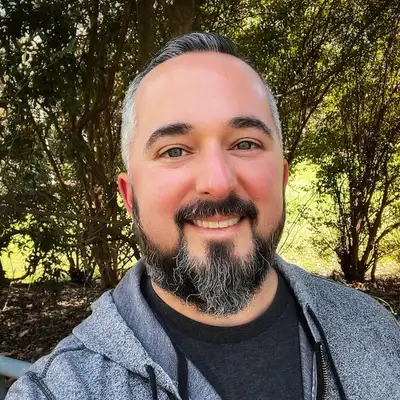
Hey, welcome back to the Slightly Caffeinated Podcast. I'm Chris Gmyr
TJ (00:04)
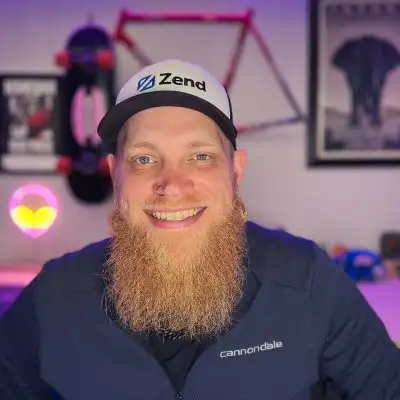
I'm TJ Miller.
Chris Gmyr (00:05)
Yo, TJ. So what's new in your world this week?
TJ (00:08)
man, we we've got the sickness going through the house.
Chris Gmyr (00:12)
no.
TJ (00:13)
kiddo came home and is like, I got a bit of a sore throat. And then it immediately went to his lungs and like flared his asthma up really bad. But he he bounced back really pretty quick. but my wife got it real bad and she's still down for the count. And I've been like starting to get it, but
It hasn't it hasn't hit my lungs yet, so we'll see. I'm I'm hoping it's stays here, right? Where I get like a little sick and then recover from it, but just like I I've got the the the sinuses are all messed up. started with a bit of a sore throat, but like I'm very achy today, which sucks. Like my joints and bones just feel sore and I'm really tired. we did did
COVID flu test, everything came back negative. So you know it's nothing like major, but the worst part is the same thing happens with my son and I. Like we both have bad asthma. So the second we get sick, it gets into our lungs and and then we end up end up like a cough for a month. Just terrible. So other than that, man,
Chris Gmyr (01:14)
Yeah. Yep. I hear you there.
TJ (01:17)
just trying unfortunately like trying to get re-engaged with like coding projects, but
having a head cold has not been fun. So yeah. Yeah, not not as much progress as I would have liked to have made. 'Cause I'm at I'm at this inflection point with both Halcyon and Sonori like I've got some like business legal certificate things that need to be done, which is kind of like heady decisions and yeah, head cold is not making that easier. So
hopefully I'm I'm hopefully I I blocked off my afternoon today to to hit that hard. So hopefully I'll have have that move in pretty soon.
Chris Gmyr (02:03)
Nice. I'm sorry everyone's feeling crummy.
TJ (02:06)
Yep.
Yeah, you know, I was just waiting for it to drop. We ever almost every year we get back to school, kiddo gets around people, and we get sick. So
Chris Gmyr (02:17)
Yep. Yeah. So far we've avoided it, but you know, it's just inevitable with kids
TJ (02:21)
Mm-hmm.
Chris Gmyr (02:22)
going to school and once a couple of kids get it in the class, then it just goes through the whole class and then they bring it home and I like
TJ (02:28)
Yeah.
Chris Gmyr (02:29)
you, it's like the kids bring it home, you know, one or two days later, they're fine and then I got it for, you know, a month and a half. Just like sinuses
TJ (02:35)
Yeah, and
Chris Gmyr (02:37)
and cough and congestion and stuff.
TJ (02:40)
Yeah, and my wife's got like immune deficiencies and stuff. So she always like when she gets hit, she gets hit hard. And so I feel awful. But you know, hopefully we're it seems like she's on the mend. I'm definitely I'm I'm hoping I'm hoping this stays where it's at. But how about you, man? How's your week been?
Chris Gmyr (02:56)
Yeah.
man, it has been crazy.
TJ (03:00)
Ha ha ha.
Chris Gmyr (03:01)
And we'll get into that more today. But had a good weekend with scouts. we went to this place called Fantasy Lake with a a troop that we were visiting and it's this like old quarry that filled in with water so it's super warm because all the rocks just absorb the heat and it's like super nice there. And half the lake they have
scuba diving clubs go there and they have sunken, you know, buses and cars and boats and whatever. And there's like a a couple of Mr. Beast videos that were recorded there. and then the other half of the lake, they have these like huge inflatable, like obstacle courses. And you just like go out there and fall in the water and do all these like climbing and jumping things. There's slides, there's ramps, there's
Platforms that you can jump off of and went out there with the the troop in most of my den and the kids just had a blast for two hours, like out in the water, and then we went camping, like down the road, and did like a quick overnight with them and everyone was tired, but we had a good time. yeah.
TJ (04:02)
Man, that sounds so cool. Like
I I would have a riot and I know Ellis would have a riot doing that too, man. That that just that's so cool.
Chris Gmyr (04:11)
Yeah, yeah. It was so fun. so it was good to have like a little bit of break from Claude for twenty-four, thirty-six hours. even though I did check in on a couple of things here and there, but not too bad. it was nice to have a bit of a break. And then yeah, just been crushing the tokens on personal projects and at work, cranking on a bunch of things. so yeah, and then we can get into that a little bit more of the things that I'm working on over here.
TJ (04:36)
Yeah.
That's sick, man. Yeah, that's it's pretty chill. I'm I'm just sitting here thinking like, Man, yeah, you were somewhere where like Mr. Beast videos were filmed like that is so legit.
Chris Gmyr (04:47)
Yeah, it was pretty cool. It's only like half an hour away too. And we've never been there. I've
TJ (04:50)
That's sick.
Chris Gmyr (04:50)
seen a bunch of videos on Instagram about it, but never made it out there for, you know, whatever reason. But it's like, man, maybe we gotta come back and do this more often.
TJ (04:58)
Yeah, that's like yeah, thirty minutes is totally achievable. You know, that's that's cool, dude.
Chris Gmyr (05:04)
Yeah. Yeah. so yeah. Any any new coffee stuff for you?
TJ (05:09)
Nope, same big old bag of beans I've had from last week. with the with the cold, I've I've doubled down though. I normally have like one cup, like one like thermos full in the morning, and then I'm I'm now to two because I'm just dragging so bad. and and the hot liquid feels nice and you know that's should probably reach for tea, but you know, just more coffee. Let's do it.
Chris Gmyr (05:33)
Yeah,
more coffee. pretty much same for me too. finishing up a couple bags. We got a new box coming in. So I think we I think I got another bag of that dark roast that I mentioned a handful of months back. So try
TJ (05:43)
Hmm. Yeah.
Chris Gmyr (05:46)
that again and see if there's any differences or anything like that. But yeah, and pretty pretty boring, pretty you know, same old with the coffee stuff. But yeah, get back into it. cool. So
Moving on, there has been a lot of launches this week and all on the same day.
TJ (06:01)
Yeah. Yep.
Chris Gmyr (06:04)
Opus five five, GPT six soul and luna. Have you checked any of these out or changed anything around your setup?
TJ (06:13)
I the the little bit of work that I have done, mostly some Luma stuff and a little bit on my projects, and heavily on some insurance shenanigans. I'm dealing with like life insurance and disability insurance and all sorts of like things that suck and I was using five five, like Opus five five for that and
Really liked it. So like a a little bit of coding worked great. you know, I was really pleased with the you know, I think one of the things that they touted with that the model release is that it is better conversationally, right? When we were, you know, the last couple Opus releases, we were just getting like
jargon and super verbose
Chris Gmyr (06:56)
Mm-hmm.
TJ (06:57)
and just like a whole bunch of idiosyncrasies. And that's one of the things that they said they adjusted with the new model release. And I definitely found that to be absolutely true. you know it was great digging through the insurance stuff, researching things, getting back to me with stuff. I was really happy with that. Haven't tried the new GPT models yet though.
Chris Gmyr (07:19)
yeah, I feel similar on 5.5. It's been fantastic. I switched my leads over when I had a new you know session start. I was using Fable 5.1 on medium, unless I was running out of usage and then I dropped it to low as much as I could, which still
TJ (07:35)
Yeah.
Chris Gmyr (07:36)
did a pretty good job. but I went from Fable 5.1 medium to opus 5.5 high, and it's fair very much.
The same feeling.
TJ (07:46)
Nice.
Chris Gmyr (07:46)
a lot more concise. all that verbosity is gone. a lot more, you know, helpful with all the things and seems like it's a bit more efficient, you know, too, probably because it's not as verbose, which is nice. and I've been starting to track my harness model and effort usage.
So I pulled some data from the last handful of days using five five and like it's been significantly better than five for opus and about like on par and even a little bit better than Fable five one. So I've been super happy with it, even on you know high. So it it seems pretty efficient. It's not chunking through, you know, as much usage and my lead sessions are like pretty
pretty small too compared to like all the workers that it's spinning up and doing and checking and making plans and all that. It just seems like it can do it a lot better.
TJ (08:45)
Yeah, I'll definitely, like I said, I got some time this afternoon kind of set aside for some sonori work. So with that, I'll I'll I'll try it, man. I'll swap out Fable for Opus Five Five in the lead and see how it goes. the interesting thing that I think timeline wise was similar.
very close to the release of the GPT models is I also see that they closed their two X plan for new sign ups for capacity issues, which I thought
Chris Gmyr (09:15)
Mm-hmm.
TJ (09:15)
was interesting.
Chris Gmyr (09:18)
Yeah, you just mentioned that before we jumped on and I I didn't notice that, but yeah, I checked my account. I'm like, can't go up to the twenty X. So I mean hopefully they bring it back. I haven't yeah, I don't I don't know if like the profile stuff that I've been changing in Hive has just gotten better because I've been trying to tweak it as much as possible too. But it seems like I'm throwing basically
eighty percent of my workers at Codecs and it's barely even making a dent. And
TJ (09:49)
Yeah.
Chris Gmyr (09:50)
like just very like minimal, you know, issues. And I don't know if the because the plan is better structured, more, you know, verbose and directive. And, you know, the workers don't have to think that much about it. But I'm using like hardly any usage on codecs, which is it it's crazy.
TJ (10:09)
Yeah,
I only have the twenty dollar a month plan and I've just been using Codecs adversarially against like Opus and Sonnet and Fable. And I I've even noticed the same thing. I couldn't believe how much usage I'm getting out of just like the twenty dollar a month. I'm like this is insane. So there's something to
Chris Gmyr (10:28)
Yeah. Yeah.
TJ (10:29)
it.
Chris Gmyr (10:29)
Yeah. So I I haven't had the need or like feeling to go up to the twenty X plan for Codex, but I don't know, I'll definitely keep it in mind. I also want to try running like Astra as the main lead and d just doing like an all codex project at some point. But yeah, we'll see. Experiment in the future. But also tinkered with
soul and luna a couple workers. but I don't have enough details on that yet. But so far, so good. I think Soul is a little bit more expensive, but it seems to be doing like a better job compared to the old version of Soul. So we'll see when the full comparison comes back. I've been doing
TJ (11:14)
Yeah.
Chris Gmyr (11:14)
like a a weekly sweep on that data, but that might actually be like a a decent blog post to do eventually too is how I'm
gathering all the data and making decisions and altering the the high profiles for adjustments over time.
TJ (11:30)
Yeah, I think it's a hundred percent would make a great blog post for sure.
Chris Gmyr (11:34)
Sweet. Yeah. So many so many blog posts to write and not enough time to do it.
TJ (11:38)
Yeah, dude. I've been
I've been sticking to my like I I think I've been pretty consistent over the last few weeks of doing like one a week. I I've been trying to release them on Tuesday, but I I missed Tuesday this week, but I I did release one yesterday on just some Sonori stuff. So I'm I'm trying
Chris Gmyr (11:58)
Mm-hmm.
TJ (11:59)
to be a blog post a week to just be a little more consistent, stretch some
writing skills a little bit. but yeah, I think that would make an excellent blog post. You're doing a whole bunch of really interesting stuff. So there's there's tons of stuff that you can you could
Chris Gmyr (12:15)
Thanks.
TJ (12:15)
have great blog posts about.
Chris Gmyr (12:17)
Thanks. Yeah, it's just switching that mode to like building versus yeah, marketing sharing, you know, type of thing. So I feel
TJ (12:25)
yeah.
Chris Gmyr (12:25)
like I've been doing like a whole lot of building and not a lot of anything else 'cause I got too many irons in the fire. But hopefully like things will settle down, and just kind of focus on a couple of things and, you know, start focusing on the marketing, you know, aspect of of some of this stuff.
TJ (12:41)
Yeah, for sure, for sure. Well, I speaking of some releases and things, I know you've been cooking super hard. and I I I just updated last night to the latest release of Hive. and there were all sorts of things. Now it's it's an NPM package and all sorts of things. Cause I think I've missed like
an a few updates for a little while. So I've been running on stale setup for a bit.
Chris Gmyr (13:11)
Mm-hmm.
TJ (13:11)
so yeah, let's talk a little bit more about about hive.
Chris Gmyr (13:14)
Yeah. So I decided to pull the trigger and make Hive open source. I've gotten a lot of great utility out of it. I shared it with you. It's been working very well for you so far, it seems,
TJ (13:24)
Mm-hmm.
Chris Gmyr (13:25)
and shared it with a couple other people to check it out. I also wanted to possibly demo it at work. So I didn't want it to be like a private repo that I'd have to do like one off, you know, invites for people.
So wanted it open, you know, if security wanted to look at it, even though it's the MCP is only for like local interactions with the the SQLite database, so there's not really much to do, you know, there. so I wanted it to get like passed through, you know, them and I don't know, just kind of share it with, you know, the world or you know, the listeners, you know, here if they're interested in it. so still have a lot of work to do, but
Made a lot of improvements over the last like week or so. It's out now, it's on MPM, super quick and easy install. There's like an auto like update feature as well. So it's kind of like sniffing for new builds, new updates, kind of in the background. So it'll say, like, hey, you've installed you know this locally on your machine. So if you have a hive instance already open for a project, it'll say,
You there's a new, you know, one point, two point one release and like when you get a chance, close down or like reconnect the MCP type of thing. It'll still work on the old, you know, version. So if you can't, you know, shred it off for an hour or two, that's totally fine. but it's just nice to have like kind of the full cycle of reminders and the the utilities to install it and be in it on like MPM, it makes it a lot easier than private repo as well.
TJ (14:58)
Yeah, yeah, I appointed you had provided, I think you sent me like a link to an upgrade guide and I just pointed Claude at it and was yep, let's get this all up to snuff and updated. so I've I haven't had a chance to use it yet. I'll be using it later today. but I got everything updated and upgraded. And yeah, I I love Hive. I don't what do we consider this? Is this like a a meta harness? Because it's it's still using the Claude Code and Codex harnesses, but it's
managing the coordination between all of them and yeah, I don't know. It's it it fits my mental model for the way that I've wanted to work, where you have a lead and then they're spinning up sub agents to do the work and then handling some validation and then maybe spinning up codecs to do adversarial stuff. Just depending on like how you have your workflow defined. but it it fits the mental model of what
I'd been looking for so well and I absolutely love it.
Chris Gmyr (15:56)
Yeah, thank you. yeah, no, I'd I'd say it's more of like a meta harness because like you said, it's just using Claude Code and Codecs under the hood and calling out to them. and then we're listening for like a handful of like hooks on both sides. We're kind of injecting different instructions to the workers, to the lead, gathering up some
things for codecs to spin that up because codex works a little bit differently in some ways than cloud code, which is a little bit harder. but everything works, you know, flawlessly. And because at least with cloud code and codecs, which is why like I'm not going too wide with this, is like I can use the same or like similar tools and workflows on both sides. So I can use hooks within cloud code and hooks within codecs to say like
hey, this like worker's done, or this is when you send the message back to the lead or vice versa to the worker. And it just kind of works across the board. for some of the other harnesses like open code, pie, even like AMP and all the like they all have slightly different variations of this. So it has to be even more of a meta thing and you have you know different mechanisms to do that. I'm like, yeah, I just want to be as native as possible and trying
It like as easy and like low scope as possible because there's like enough going on in Hive in general.
TJ (17:18)
You're right.
Chris Gmyr (17:20)
so like I've been the little description on there is like shared memory and coordination for cloud code and codec sessions. but I don't know, I'll I'll have to work on that a little bit because I think it's like so much more than
TJ (17:31)
Mm-hmm.
Chris Gmyr (17:32)
that. And the the meta harness and the hive framework is pretty generalized.
like there's there's tools built into that. But what I mean is the I think the best feature in it is the profiles. There's two shipped profiles, which I need to do a little bit of a work on. One for orchestration and one for like simple. Simple is basically just like you want to use the hive tools, but you only want it in like one main session, and you're just chatting back and forth, and you want to maybe do some planning and whatever, just as you would be like a basic user for.
claw code or codecs. but the orchestration is like you have the lead and then you have workers doing the implementation and there's some rules built into that. The the one that's shipped is a lot more simplified than what I have in my personal setup. but it's also cool because you can you can have a different you know setup and run book and instructions. And then someone else running a different orchestration profile has a little bit different flavor. And you can customize these
profiles as much as you want. You can even have profiles for specific projects or whatever. If you want to have 100 profiles on your system for Hive, like you can do that. So I think that's like the real power. And what I want to do is I don't know if it'll be in the repo or maybe like an examples, you know, high profile repos, but basically put mine in there as an example of like, hey, here's like a more robust profile for clear instructions for
the leads, a full runbook of the workflow of here's what you do for like planning and implementation and here's how you pick a model for or within this like other doc because in these profiles you can also build whatever docs that you want and inject variables from the hive config in there. So your leads and whatever looking at the hive config for your project can like inject these in these templatized
profile files and basically do a whole bunch of things, you know, with that. So it it's just like kind of crazy. I it it's kind of hard to explain. But like the power that's like in here to customize it and have different like workflows and like profiles for all the projects and the ways that you want to work that can be as specific as you want, like across the board.
TJ (19:50)
Yeah, what I did, I know you you've sent me a few profiles and things over the last like couple months that we've been work that you've been working on and I've working with it. and basically what I've done is I've just I pointed Claude at your examples and I'm like, here's the workflow I'm after, and like a few details about that. And then it went ahead and customized all of that, like kind of using yours as a template. So this maybe, this maybe screams
to to reach for a skill here, like maybe publish a skill for building these profiles. And then in that skill, you can use your more advanced workflow files and profiles as examples for context so that you know you can basically have this like, you know, invoke the skill, have a conversation with Claude and it can define all of those things for you and really kind of customize it.
for whatever you know you want as is your system at either a project level or globally. I mean that's what I did and that worked out really well.
Chris Gmyr (20:53)
Yeah.
Yeah, that's a great idea. I'll I'll have to work on that. yeah, almost like a a interview me skill for like what do you want your workflow to be for like this project and do you want this profile to be like a global profile or just in like this project? so yeah, I love that idea. I'll work on that.
TJ (21:11)
'Cause it
is, it's it's not overly complex, but I think it's complex enough that, you know, having a skill or something so that you can work with Claude or Codex, whatever, to to customize it is super advantageous.
Chris Gmyr (21:28)
Yeah. For sure. Yeah. I'll I'll be sure to flesh out the rest of the shipped profiles because I also want it to kind of like work on a basic level if you just pull it down and like, hey,
TJ (21:40)
Hundred percent.
Chris Gmyr (21:41)
this is like the basic, you know, orchestration that like I would possibly want for side project, you know, nothing too strict but a starting point. And then, you know, running the skill and like interview me type of thing.
Of like, hey, how do you want to work? And like let's step through like each of the roles and like hey, here's some suggestions and here's you know this other thing and you know, kind of build it out like there. And then you know, it just fleshes out the rest of the profile for you, saves it globally, or does whatever it needs to do, and then you just restart hive and then you can test it out and then you can like iterate, you know, from there. So yeah, I
TJ (22:16)
Yeah, 'cause
Chris Gmyr (22:17)
think my profile skill would be pretty sweet.
TJ (22:20)
Yeah, because that at I I mean between Snari and Halcyon, the the projects are pretty different. Like for Halcyon, it's I have a Halcyon directory, and then inside of there I have like four or five repos that are like the marketing website, the web application, the desktop app, the iOS app. And so like I typically launch the Halcyon lead from that root directory.
And then that way it can work across all the projects of like, all right, well, you know, we're implementing this sync protocol in the web app, then it can just immediately reach into the iOS or the Mac OS app to like make those changes and integrations. in scenario is a little bit different where it's just a single repo with like a Laravel app inside of it for the marketing website and an Astro app for the documentation. or
I think maybe it's beat press. but anyhow, like it's sort of similar to the Halcyon setup where it's like it's got a couple projects like nested in it. and so those profiles are similar from a workflows perspective of like lead and sub agents, but they each go into much more specificity, you know, customized for those projects. So I I think it's definitely worthwhile.
you know, customizing these things, but a hundred percent have something like shippable that you can just s quick start up and running and, you know, be able to leverage leverage it right away.
Chris Gmyr (23:48)
Yep, exactly. So hopefully very early stages. but yeah, I mean it's been working great for the last handful of months, for
TJ (23:56)
Mm-hmm.
Chris Gmyr (23:57)
for both of us. So I'm like, yeah, let's just put it out and see what happens. if there's any like interest in PRs, like I'll just see, you know, make sure it's an improvement to like what I want and not go too like far and wide out into like all the the different harnesses and things like that. Especially if I don't use it. It's like, well
I can't really, you know, test this or don't want to or don't want to put the, you know, time money into, you know, spinning up all these, you know, AI services and things like that. So you know, let's just see how it goes.
TJ (24:24)
Yeah, keep it focused.
Chris Gmyr (24:26)
Yeah.
TJ (24:27)
Yeah, no, I'm really glad you open sourced it. 'cause it's it's a really awesome project.
Chris Gmyr (24:33)
Thank you. So yeah, Tive is like the base of all the other projects
TJ (24:38)
All right.
Chris Gmyr (24:41)
running recently. So the next big one that I wanted to announce is called Avasset, which is a local only like meeting recorder and transcriber. And we've talked about crisp AI here a bunch and I really like it.
I've liked it, you know, a bunch more in the past than compared to like what I do now. And it does okay, but it's been, I don't know, just super glitchy recently. Like it's not matching speakers right. I don't know if I have like too much data or like it doesn't seem like you can ever like clear the data out of there, really. And it syncs stuff around, which you know, some people might like, some people, you know, might not, but I feel like
I spend a ton of time like assigning speakers and generating the notes and and things like that. Just like this is this is a lot of work for like all these meetings. And just like haven't really liked it, you know, as much recently. So I'm like, well, maybe I'll I'll spin out my own and it'll be like a local only model and transcriber. there's like, you know, the options that I want. I can see different speakers, I can assign them. so basically that was like the initial premise of like, hey, I'm just gonna build
a little thing for me and then send it over to you to do some testing and you're like you seem to like it as well.
TJ (26:03)
Yeah.
Chris Gmyr (26:04)
like maybe maybe we'll see where this goes. and yeah it's just grown into like a full blown application, full like redesign that I'm working on finishing up. just launch the like initial like interest website for like email sign up.
or like wish list type of thing. now. So I'm like, well, I think this could be like an actual, you know, business and sell this thing and be like a a true, you know, side project to get some money to pay for all these tokens and stuff. So there is yeah, go ahead.
TJ (26:33)
Yeah, right. I I
I love it, man. Like and and yeah, we've talked a lot of praise about Chris, but like I've noticed the exact same thing. Like it was I guess to to level set the the main features out of Chris that I was using, which is maybe like a third of the features that they have, was like right, we're getting the meeting transcription and
than doing diarization of like matching speakers to what was said. And the promise was that like it you know, you'd train it up on like a s manually assigning some speakers and then moving forward, it would automatically like match speakers. And it I feel like it did a good job. And then a few updates in it really started dropping the ball. It like was not properly assigning speakers. they had like a handful of updates and
just the it didn't feel as good and like it's not a cheap subscription either. and and I was only really leveraging, like I said, maybe about a third of the functionality of the entire app. And I had no interest in any of the other features.
Chris Gmyr (27:39)
Mm-hmm.
TJ (27:40)
so I was su and and I didn't wasn't super keen on it being, you know, remote, remote ran. I'm like I I love the fact that this is
locally driven. and so I I don't know, I I ran it for maybe a week and then canceled my crisp subscription. Like this is it's just everything that I'm looking for. you know, in the the diarisation has been absolutely spot on. it's done a really good job of that. and and you've you've made a lot of improvements in the UI. It's really looking it's a beautiful app. and there's been some like really cool features like
One thing that I I liked that Chris did that this doesn't was you could authenticate using your Google account and it would automatically like name meetings based on like what was in your calendar, which was handy, but you've made it really easy to like name the thing right away when it starts recording, which totally it that was like a
That was something I was like kind of struggling with, but like you had ought you had already fixed it by the time I was gonna say something that was like, you you made it like pop up so I can just name it right here. Problem solved. Like let's not even let's not do a calendar integration because that's just asking for a lot. so no, it's you've you've made consistent, really valuable improvements to it. And it I mean, at the end of the day, it just it just works. and and that's
That's all you can ask for. It's like it's it's solid, it's reliable. yeah, I I dig it, man.
Chris Gmyr (29:14)
Yeah, thank you. yeah, just been like obsessed with this thing for the last handful of weeks and like yeah, I feel similarly like there's some super cool features in here. Like we're doing not only like the transcription and diarization, but we're calculating like voice prints for people and you know, all this stuff again is all local. So, you know, after like a meeting or two, it's like, well, you know, this matches a voice parent.
for you know TJ. So in the recording for like this podcast, it's going to try to like match you up to you as the speaker in the application. And there's all sorts of like tweaks and changes that you can make in the settings for like auto assignment. So making sure that you know the the model, the local model, you know, matches for like like 80% you know confidence or 90% confidence.
and you can switch that up. So if you want to tweak and change the settings a little bit, you can do that. Like there's no real way to do that in Crisp of like, you know, I have a couple of people who sound very similar in the same meeting. So it always gets very confused, it merges them together and not great. and you can't really like break those people out in Crisp, you know, as well. so you can do that all in mind. You can select like very specific like text in there. So if you got like a little bit of
garble, you can say like, these three words are, you know, TJ. And then this other sentence is full of like Chris or something like that. so like with the auto assignment with the suggestions, and then it gives you a like if you have an unassigned speaker, it'll give you like a guess on the confidence for specific speakers and like a little gauge. So it's like, well we think it could be, you know, Max or we think this could be Mary or and it'll say like Max's 78% and Mary's
You know, 30% or something like that. But we try and calculate like all the voice prints in time for that. And as you start assigning speakers, we refresh those voice prints and suggestions. So if you have a new speaker in a meeting, you do like two or three manual assignments, and then it'll be like, yeah, this is TJ. And like, do you want to assign all the rest of them to TJ? And there's like all different combinations that you can
You know, pick and choose so a specific line, a specific like kind of paragraph chunk, the whole meeting, all of the AvaSet, you know, database, you can do that. with speakers, you can add them manually, you can add them ad hoc. You can merge them also. So if you accidentally created two TJs or two Chris's by accident, it'll calculate those voice prints, you know, separately. but then you can like merge them back together. So you can say like, I want to merge Chris one with Chris Two, and it'll merge all those voice prints together.
recalculate all the things behind the scenes and all the meanings into that speaker's record. so there's like tons of things that we're doing like behind the scenes to make it just a little bit smoother, a little bit easier to manage all this stuff.
TJ (32:10)
Yeah, that stuff's been great. I've got another cool feature to call out and then a tricky bug that I I this is gonna be a hard one to nail. so a really cool feature that I like about it is you is something that I'm actually probably gonna integrate into Sonari as well. Of you have like a a tiered like fallback list of like preferred microphones. So y it will like you could I could assign
like is a top priority, my my nice microphone here. you know, maybe my airpods is like a a next tier down and then like fall back to like system audio. so that I think that was like a really slick feature.
and that's probably something I'm gonna reach for with Sonari as well. and then the the bug is the we ran into it yesterday and I said it to you and we talked about it. I just I think it's gonna be really tricky to solve and like I haven't wrapped my head around it is most meetings I take here at my desk. I have my external microphone, I have headphones, or even even if I have it on my speakers, the the microphone's nice enough that it doesn't pick that up. But
I had I took a meeting the other day on my laptop and so it was my laptop microphone and my speakers and it basically like the microphone picked up the speaker audio and was basically like I had two tracks of like the same conversation. and I I don't know how.
I don't know how to solve that. Like I I've I've been trying to think about it of like just, well, here's an idea to like even just like throw ideas your way. It just it seems like that's gonna be something really tricky to solve. And you called out that like Riverside has they do something for that because there are an option for like I'm using headphones, not using headphones. I don't know if there was something in Crisp for the handling that scenario, but it just seems like
That's kinda tricky.
Chris Gmyr (34:06)
Yeah. Yeah. And I was tinkering with it a little bit. And if you're just listening to a meeting and not doing any talking, we handle that automatically. So I was just getting like the I was I was just playing like a YouTube video through the regular speakers and it would pick it up through the mic and that was fine. It it took it as like one track as like an external speaker, totally fine. But it it wasn't until like I started e trying to talk over.
the video or like pause the video and then like add, you know, a sentence or two, play the video. So almost like a real, you know, meeting. so a little behind the scenes of like how I try and test this stuff also.
TJ (34:45)
Yeah.
Chris Gmyr (34:46)
works the same way, just it's just some audio. It doesn't really matter if it's coming through like Riverside, Zoom, Google Meet, whatever. but yeah, then I it totally got garbled. It was taking the the videos, you know
speaker and putting it to like mine. So I wonder if like you know, so everything that comes through the speaker is attached to like quote the me speaker in the transcription. I wonder if being able to take like the like the me voice prints and match it up over the the like the speaker coming through
And seeing like, well, this you know matches like really well for like this segment. So, you know, Chris had like three words over here. So, like, let me pull this into the me and get rid of everything else, and then do like another comparison of like how does this feel, you know, type thing. So, maybe something like that, but yeah, early stages with that, but it's a really gnarly kind of
TJ (35:47)
Yeah.
Chris Gmyr (35:47)
video bug, I guess, but
It's I don't know, to be kind of expected because it's like the same the same thing, you know? So yeah, audio I is just really hard.
TJ (36:01)
Yeah, no,
it's it's it's just an it's a gnarly I I don't even want to call it an edge case, but like it's kind of an edge case. It's it's just a gnarly problem. And I think I think you're onto something there. Like as as you were talking, I was just starting to think I'm like, I wonder if you could use the voice printing to to untangle that.
Yeah, because that one's that one's tricky. But with an external mic and like headphones or something where where you get that clean separation of audio, it works flawlessly. It's so good.
Chris Gmyr (36:30)
yeah.
It's so good. yeah. So yeah, if you're interested, check out the website. you just drop your email in there and then I'll notify, you know, probably a handful of people in the next few weeks to get some beta testers. Not not sure what pricing is going to be yet. but I I'm kinda leaning towards maybe just like a yearly
thing or like you know buy once and get like a year of like updates you know type of thing and then renew if you want to. but TBD, you know, on all that we'll see where it goes. yeah, have to put some more time into pricing structures and setting up all the licensing and the auto update flows and you know stuff like that. so might you know throw some more questions your way because I know you have that set up for you know some of your apps so far.
TJ (37:16)
Yeah, I'm doing both Tori with Halcyon, which makes updates really easy. And then I'm dealing with the mess of doing Swift natively with Sparkle, which I'm still trying to get through. So yeah, that's that's some of the certificate decisions I have to make. but yeah, man, I think I think this is a hundred percent worthwhile spinning up as a product and
I I think the the yearly with update like a you know, you buy it and you get a year's worth of updates with it, I think makes total sense. yeah, it's it's great.
Chris Gmyr (37:51)
Nice. Thanks. Appreciate it. so yeah, just been cooking on this and was also inspired from like your apps too, because I wanted like to add in all the keyboard shortcuts, all the searchability, all all the things in there. So I wanted almost like a a linear type experience for you know this. So it's it's not quite there, it's getting there. That's kind of the goal is to just have everything super like feeling like buttery smooth with it.
And you can just do everything through keyboard shortcuts. You can customize them. You it's nice little like you know helper shortcut, you know, area menu, command bar, you know, built into it. So yeah, just be expanding and you know, making it better over time.
TJ (38:34)
Yeah, no, the the whole linear feel like absolutely comes through. and I I know you've been just kind of like working through all the redesign. Every step's been an improvement. The new floating toolbar is fantastic. I've really been enjoying that. yeah. Yeah, good stuff.
Chris Gmyr (38:53)
Sweet. Thanks. I know we're getting up on time a little bit, but just wanted to throw out two other smaller
TJ (39:01)
Yeah.
Chris Gmyr (39:02)
projects that has kind of like helped me get to this point. so between like Avset with Hive, still kind of doing some stuff in the background with Novelhood, the book club app, which is kind of taking a backseat for right now.
while I get these other things up and running, is like I wanted a way to test like locally, like as the human. So I've tried to set up my hive instances is like you try to do as much of the testing and even like browser testing, like UI, snapshots, you know, all the things like do as much as you can. But if you can't do something, like I need to know about that.
So over like overnight runs, it'll send me like a list of like, hey, you need to check these five things, but then like the back and forth and you lose that stuff over, you know, the session and the conversation, you know, while so I'm like, I need a better way to do this. So in novelhood, I was like tinkering with this like local testing DB and like UI, where it's like anything that you want to test, throw it into this database. The UI will pick that up and say, like, go to this page and ensure that you see X, Y, and Z. And you can like approve or deny.
and then like add like a new little like note to it. So that'll get saved in the database. You go back to the agent, say like feedback given, and then it does all the the checking of the database and like fixes and spins up the next lanes to actually do that. So a nice little like visual workflow and like you don't always have to do it right away. You don't have to save context, you don't have to do anything. It's just sitting in a separate database somewhere. So I'm like, I wonder if I can like
productize this and basically moved it over to its own project. It's called Lookover. It's open source. It's on my GitHub. I'll also link to all these things in the show notes. But LookOver is just like a global little SQLite database tagged per the directory or project that you're in and you can just point your agent and say like hey I want to use lookover for manual testing. So whenever you need something from me just dump it into our project's lookover.
And in the UI, you it's basically like spun up globally. So you can click through like all the different projects. It'll say, like, you have, you know, two to check for, like in Hive, you have ten in Avaset app, you have three in Avasset website, you have one for lookover, so you can like bounce back and forth between like all these different projects and give feedback. There's file upload, so you can take like a GIF or like a a screenshot, you can add those to it. You can
like command paste into there with an image if you're using like clean shot or something like in memory you can do that too. And it's a nice little like back and forth that you can just kind of test and do your your human thing to then give feedback to the agents, you know, when ready. and it's just kind of like a ever living UI and database. You just go back to your agent whenever you're done and say like feedback given. And then it looks through the project's database and
takes it from there. So it's been like really nice to not be tied to like the chat and the context all the time. It's like just dump this stuff in here and I'll take a look at it when I get a chance. Cause now with all these like different UI type projects, it's like a lot to test. And especially with AvaSet is like so many little, you know, corners of the app. It's like, well, you know, this thing, you know, changed. So like I gotta check these things over here. And it'll just like write up exactly where I need to go.
what I need to test for that. So that's been like super slick to just have that as like a UI like little testing tool.
TJ (42:41)
Yeah, no, that's great. I I deal with it all the time. Like, same thing with like building out Halcyon or Sonori stuff. Like they're native apps, but it's like you can take screenshots. And so a lot of times I'm like, yeah, test this stuff on your own, like stepping through the app, like test the interactions out, like get as far as you can. But inevitably there's stuff that like it just can't do or it struggles to do for a while. And so I'm like, yeah, try it a couple of times and then bail out like
give it give i give it to me for feedback. and so I'm I'm looking forward to like spinning this up and getting that integrated with my workflow 'cause yeah, I've I'm running into the same problem.
Chris Gmyr (43:17)
Yeah. Yeah. It's it's been such a time saver. but yeah, and my last one is called jig, which is just like a little framework to basically set up a like workbench for just random ideas. So I just have this in my like home directory as like workbench and this jig is like just a a mini little AI framework and set of instructions for it. So I can basically say, you know.
WB, like this new idea. and it'll just like spin this up. It'll make like a new subdirectory in that workbench. It'll keep everything separate. It'll keep like a index of like all the projects in there and like time frames. And it'll say, like, hey, you haven't worked on like this idea or this like POC in a while. Do you want to like deprioritize it or archive it? because I wanted a place that I could just like sling ideas that's
lasting longer than just like a random chat in like clawed AI or like claw code. But I don't really want it like a full project. I just kinda wanna like tinker with it or like experiment maybe with like little POCs. So I don't it's not just a chat. It's not like a full blown project. It's like something in the middle. And so I just wanted like a workbench area to tinker with like ideas or POCs, little apps or, you know, things like that. Just like anything that like falls through
the cracks. just like throw it here and everything's like tracked and ready for like the next time that I have an idea or want to like extend something or like continue with an idea from like two weeks ago type of thing. So super small footprint, but just like this nice little framework to keep everything kind of condensed and tidy and keeping all the the contacts separate across the board too.
TJ (44:55)
Yeah, for that I've just been using my like in my home directory, I've got a wiki directory and inside of that it's basically like an LLM wiki structure. And I I normally just go into that directory and like have it create markdown docs and folders inside of there. because that's all like persisted and like that's a Helseon sync directory, so I can like add stuff to it, look through it on my phone too. but this seems really nice because
Yeah, I I feel like putting stuff in my wiki is like kind of formal and like I I
There there's I I don't know, there there is an in-between state that's like, I don't necessarily want to formalize this, but I kinda wanna explore it a little bit. this seems perfect for that.
Chris Gmyr (45:38)
Yeah, yeah. So check it out. also open source. so yeah, open to like any like feedback or if anyone's using it, you know, just reach out, let me know. But yeah, everything is up and live in Avisat, hopefully within the next handful of weeks, get some people, you know, onboarded to it and see what's next for all the projects.
TJ (45:59)
Yeah,
yeah, sick man. No, you've been absolutely cooking and these are all like high value things. Like Hive has been incredibly impactful in my workflow and like it is core to all the stuff I've been building lately. And like AvaSet's been great. Like I I use it literally every day. you know, and and I'm looking forward to checking out Lookover and Jig as well. Like you're crushing it, man.
Chris Gmyr (46:26)
Thanks, thanks. And just trying to land a couple of the planes here 'cause it's been a
TJ (46:30)
Yeah.
Chris Gmyr (46:31)
lot. So it's it'll be nice to kind of focus on like maybe one or two things, you know, each week instead of, you know, five or six. But get there. but yeah, happy to to share and glad we can talk about it all today.
TJ (46:46)
Yeah, sick dude.
Chris Gmyr (46:48)
Sweet. So with all of that, do you wanna say?
TJ (46:52)
Yeah, let's wrap it up.
Chris Gmyr (46:53)
Thanks for listening to the Slightly Caffeinated podcast. Show notes and all the links and social channels are down below and also available at Slightly Caffeinated.fm. If you have any questions for us or content suggestion, go to the ask a question page on our site and we'll feature it in an upcoming episode. Thank you all for listening and we'll catch you next week.
TJ (47:11)
Yeah, see ya.
Creators and Guests